Ptychography
Until today, I had never heard of it: Introduced in electron microscopy by Hegerl and Hoppe in the early 1970s, “ptychography” (pronounced “tikography,” I think) is an imaging technique that combines diffraction data from...
writing and translation

Until today, I had never heard of it: Introduced in electron microscopy by Hegerl and Hoppe in the early 1970s, “ptychography” (pronounced “tikography,” I think) is an imaging technique that combines diffraction data from...
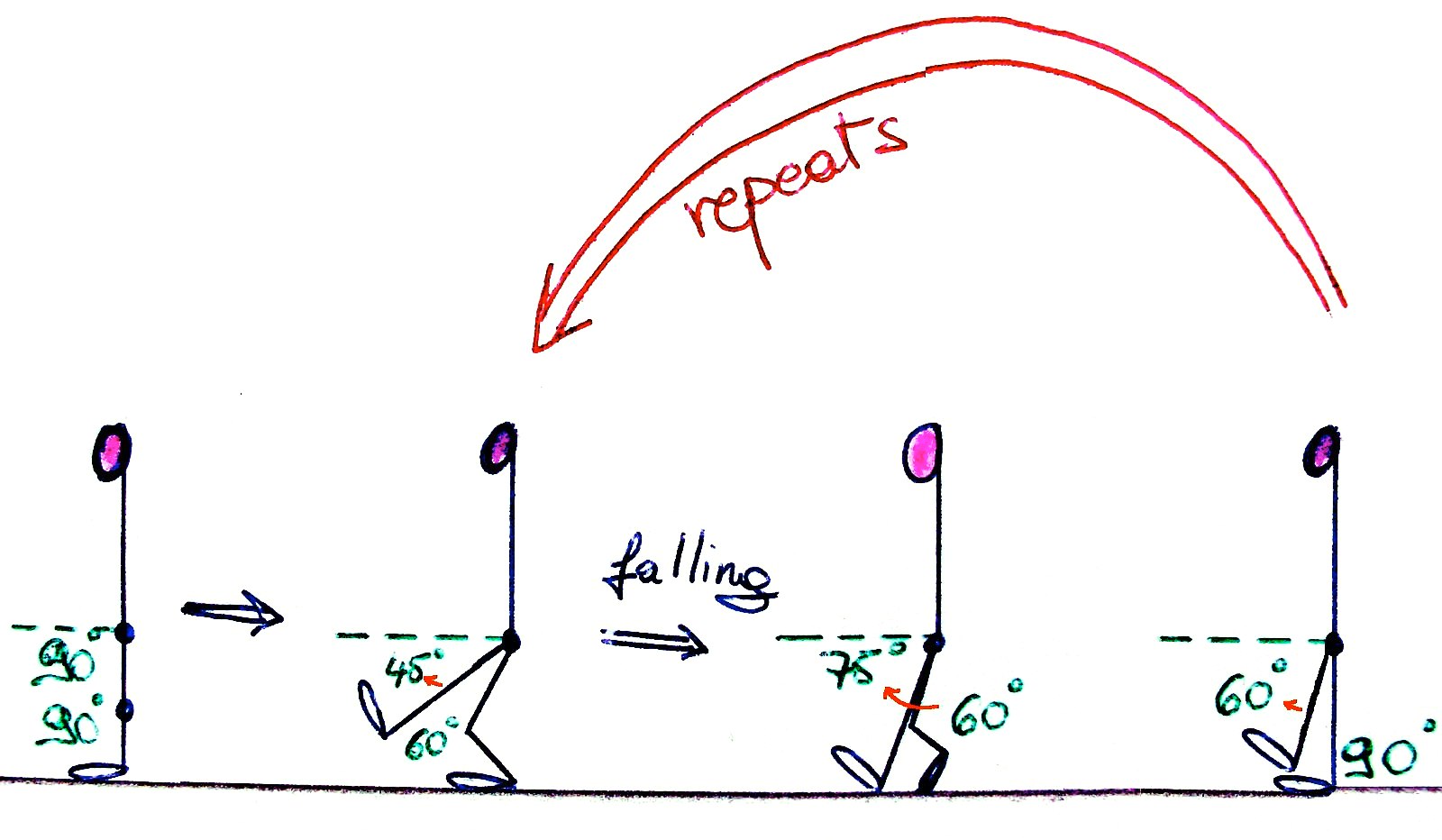
The German word “Entwerfen” — drafting or drawing — is closely related, a kind of reversal of the verb “werfen,” which is to throw, or hurl, or toss. Flusser uses the association to describe...

I hope against hope that someday “aesthetic” might be widely understood as something that is NOT always, inevitably, associated with art. I hope it might be understood as something as something closer to sense...

I’m honoured to be a contributor to a volume called Understanding Flusser, Understanding Modernism, edited by Aaron Jaffe and published at Routledge, probably 2020. Jaffe’s earlier volume is called The Way Things Go: An Essay on...

Flusser is well-known as a “media theorist,” and hardly known at all as a “games theorist.” But games figure often and prominently in his thinking and writing from the time of his earliest publications...
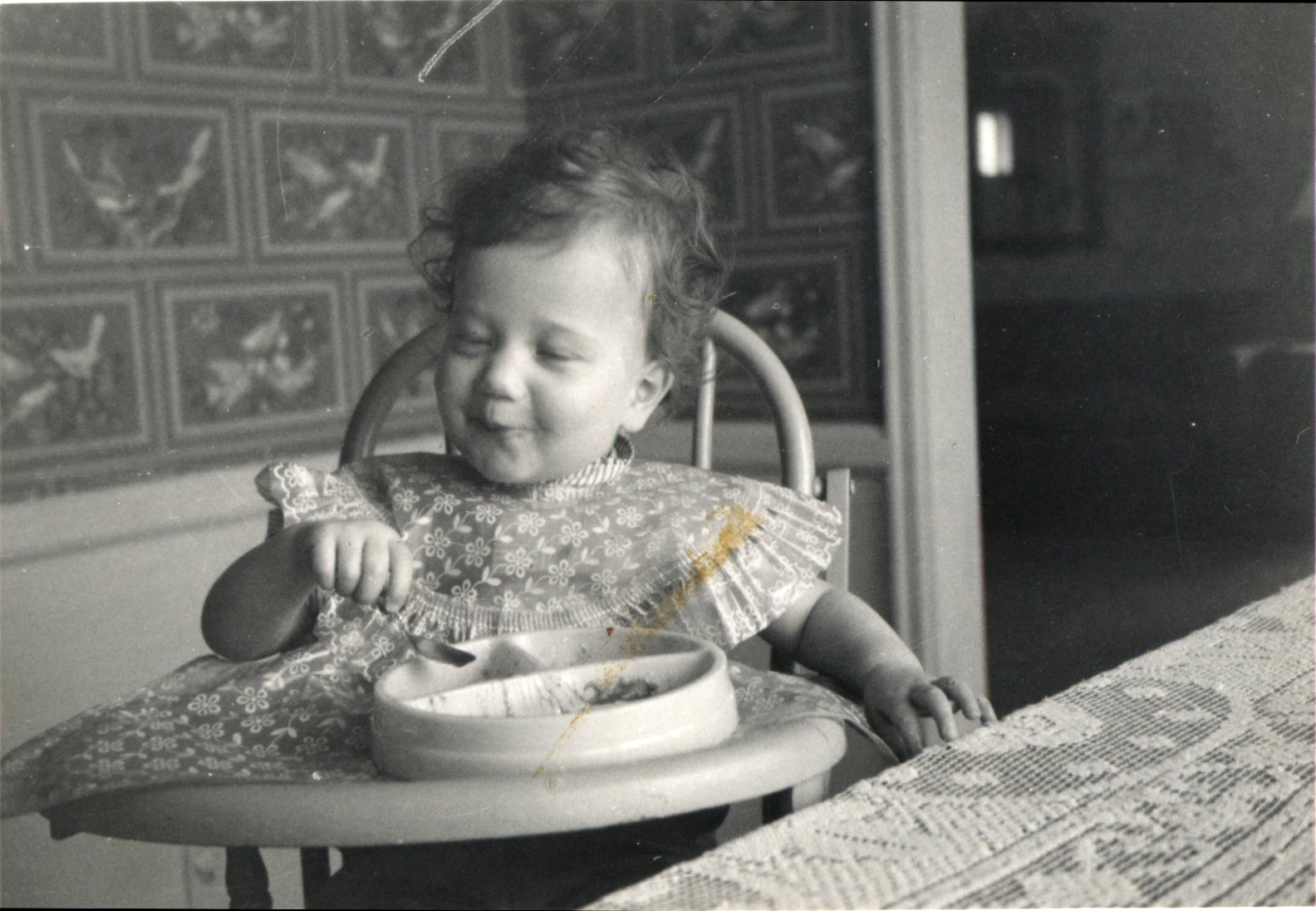
Flusser insisted that photographs project possibilities, rather than “capturing” or “recording” or “reproducing” anything. So all those lovely shots you may have of yourself as a very young child, smiling at the camera–or not...