Review of Sirât (film 2025)
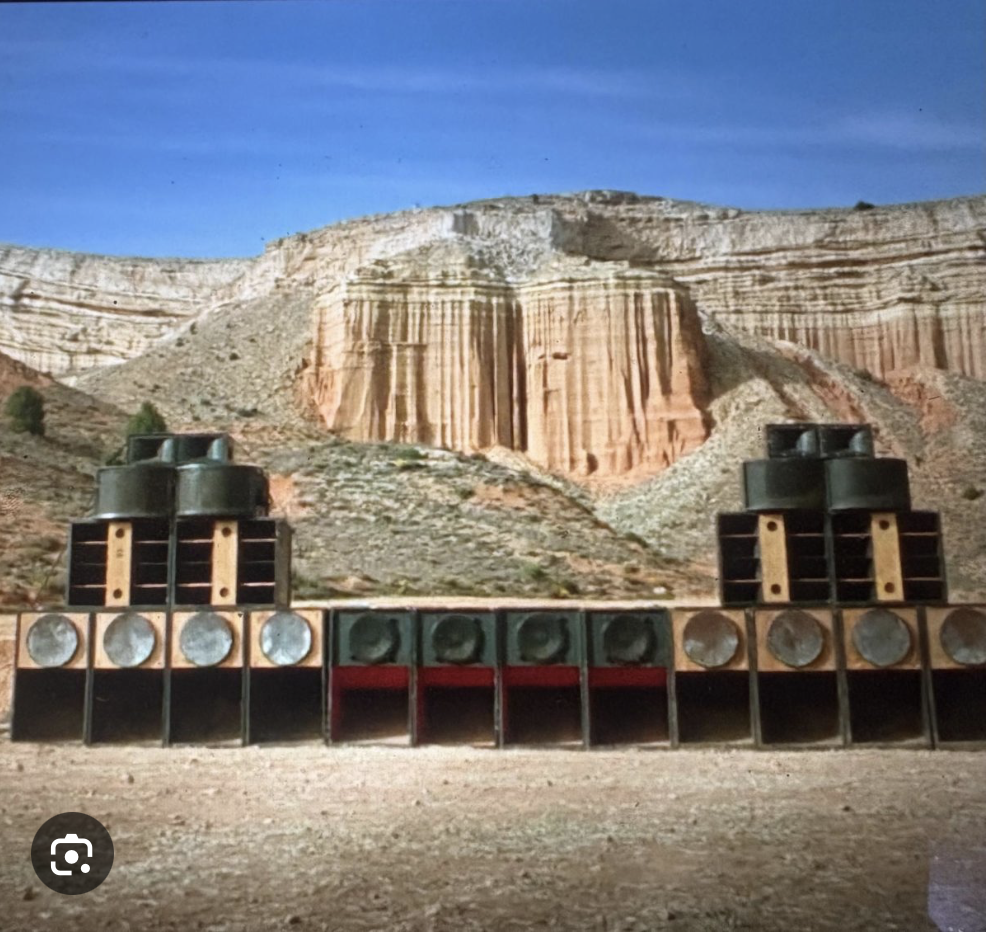
The film’s name, Sirāt, refers to the bridge Muslim souls must cross to get to paradise — “thin as a hair, sharp as a knife.” Like the scene of The Last Judgement in a Christian context, the name is rich in its potential to present huge questions — life and death, saved and damned, past and future. It’s a “road movie,” inasmuch as the story follows the players’ physical travel through a real, or apparently real space…although the term seems thin, given that the landscape is so often so breathtaking as to generate almost continual anxiety among viewers watching vulnerable humans trying to move in it.
The film has drawn a great deal of praise for having conveyed the atmosphere at a rave accurately, and this atmosphere of abandon or escape or ecstasy is central to both the imagery and the story. In the first segment we see Luis, a middle-aged man who is clearly not a raver, distributing photographs of his daughter among the hundreds or thousands of dancers. He is trying — urgently — to find his daughter. His commitment is urgent enough, in fact, that when a military vehicle arrives and commands everyone to leave the site, he follows two vehicles who peel off from the line of departing vehicles, hoping to get to another rave. It is an utterly mad decision by any “realistic” appraisal of risks, and promises only the greater hope of finding her.
The dramatic tension arises between Luis and the others, between a man trying to grasp reality and a group committed to escaping reality altogether– whether through drugs or a deafening, hypnotic beat. The differences intensify as the story develops. In the context of dangers both known and unknown, only three of the seven who head out in the first segment remain at the end, sitting on the top of an overcrowded moving train in full sunlight, calm, quiet, yet without protection from sun or wind, without water, which is to say, in as much danger as ever.